
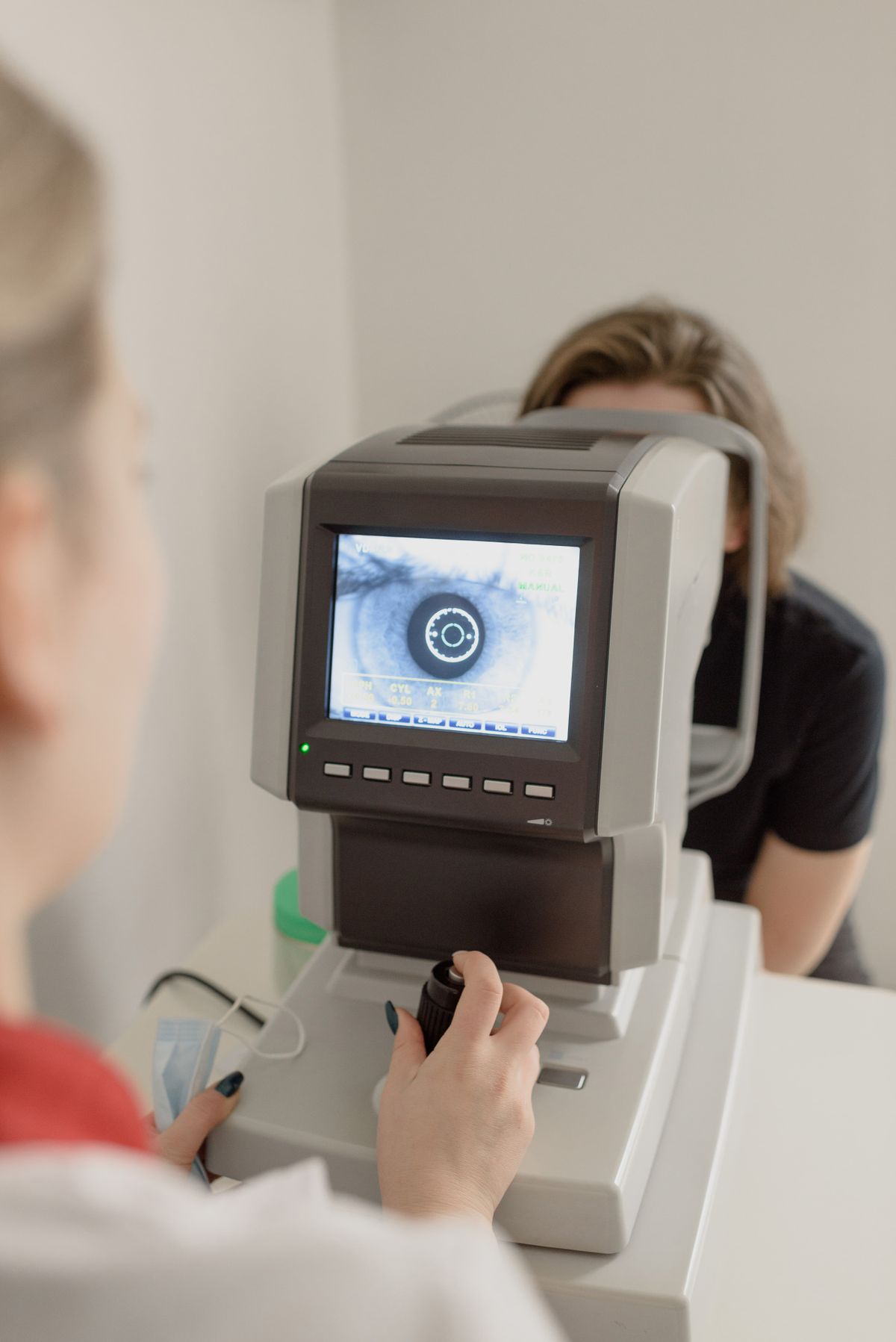
Why Optical Shops Lose Sales When Sales Orders Are Not Properly Tracked
Every optical shop owner has heard a customer complain about a wrong lens, a delayed order, or a prescription that was somehow lost. These are not rare incidents. They happen regularly in shops that still rely on paper registers, sticky notes, and WhatsApp messages to manage their sales orders.
The real cost of these mistakes is far greater than just one unhappy customer. A single wrong lens order can cost your shop a complete remake, a refund, hours of staff time, and a customer who never comes back. Multiply that by a few incidents every month, and your shop is silently bleeding revenue without even realizing it.
This article explains exactly why optical shops lose sales when orders are not tracked properly, and how using the right optical shop management software can turn this problem around.
How Sales Orders Work in an Optical Shop
To understand where things go wrong, it helps to first understand the full journey of a single eyewear order inside an optical store.
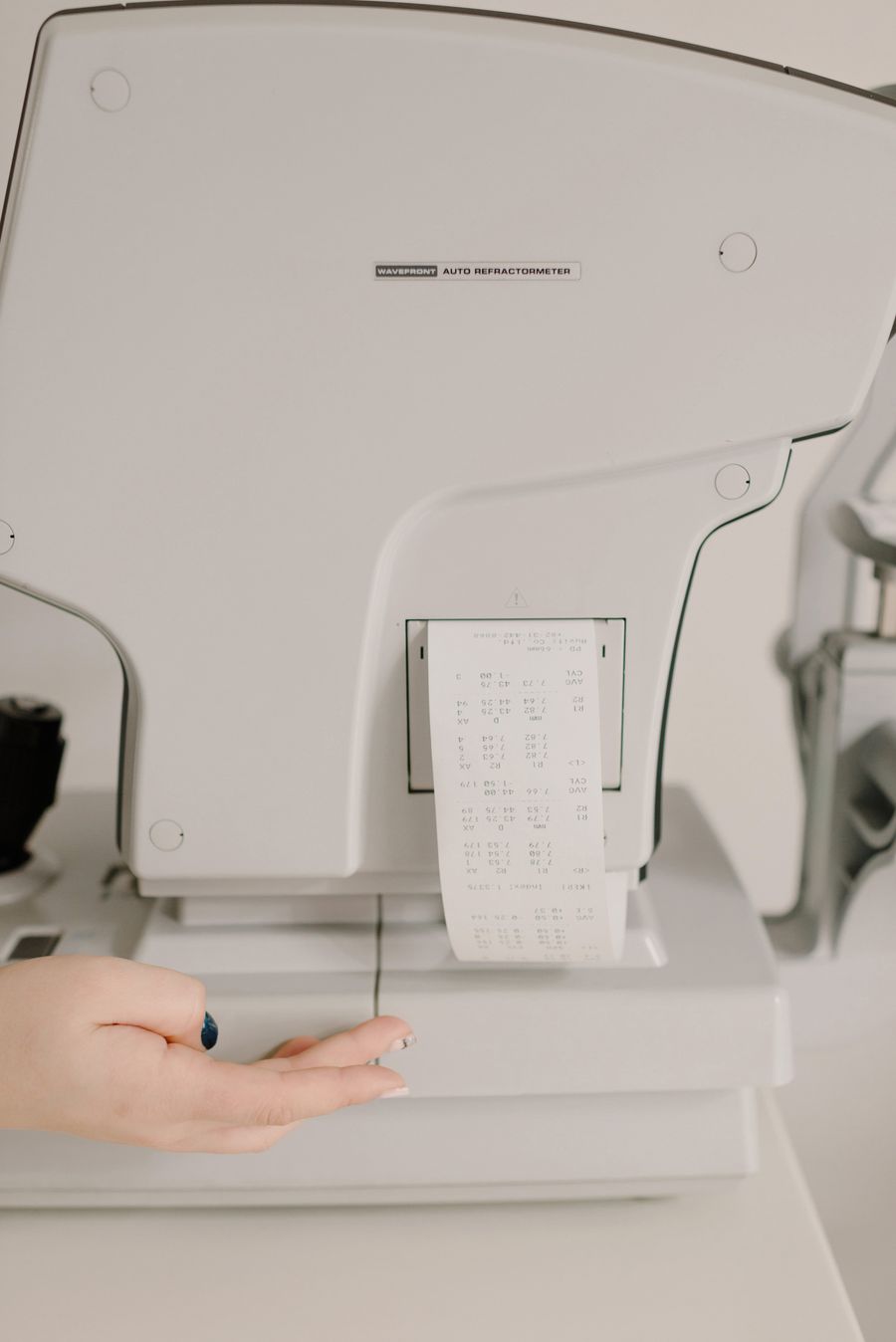
A complete eyewear order starts with a prescription and passes through multiple steps before reaching the customer.
Photo by Pexels
Here is how a standard order typically flows in a busy optical retail store:
- 1 Customer Prescription: The customer arrives with a doctor's prescription or gets their eye power tested at the store. This prescription includes sphere, cylinder, axis, and addition values for both eyes.
- 2 Frame Selection: The customer selects a frame from the display. Frame details such as brand, model, size, and color are noted for the order.
- 3 Lens Selection: Based on the prescription and budget, the staff selects the appropriate lens type, coating, and index from the available options or from a wholesale supplier catalog.
- 4 Order Entry: All details are recorded, either on paper, in a register, or digitally. This entry needs to be accurate since it drives every step that follows.
- 5 Supplier Order: If the lens is not in stock, a purchase order is placed with the lens wholesale supplier. The timing and accuracy of this step determines when the customer gets their glasses.
- 6 Delivery and Fitting: Once the lens arrives, it is fitted into the frame, and the finished eyewear is handed to the customer along with a payment receipt.
Each of these steps is a potential point of failure when the order is not tracked digitally. Manual methods break down quickly when the shop is busy, a staff member is absent, or orders pile up over multiple days.
The Reality Inside Busy Optical Shops
Walk into any optical shop in Mumbai, Ahmedabad, or Jaipur on a Saturday afternoon. The counter staff is juggling five customers at once. One person is writing a new order on paper. Another is calling a supplier to check lens availability. A third is trying to find an old prescription for a customer who wants a repeat order.
In this environment, critical information gets written in the wrong place, spoken verbally without any record, or entered with errors because no one double-checked the prescription before placing the supplier order.
Optical shops that depend on manual processes face a specific set of operational problems that directly affect their bottom line. These problems are not caused by bad staff. They are caused by systems that were never designed to handle the complexity of running a modern optical retail store.
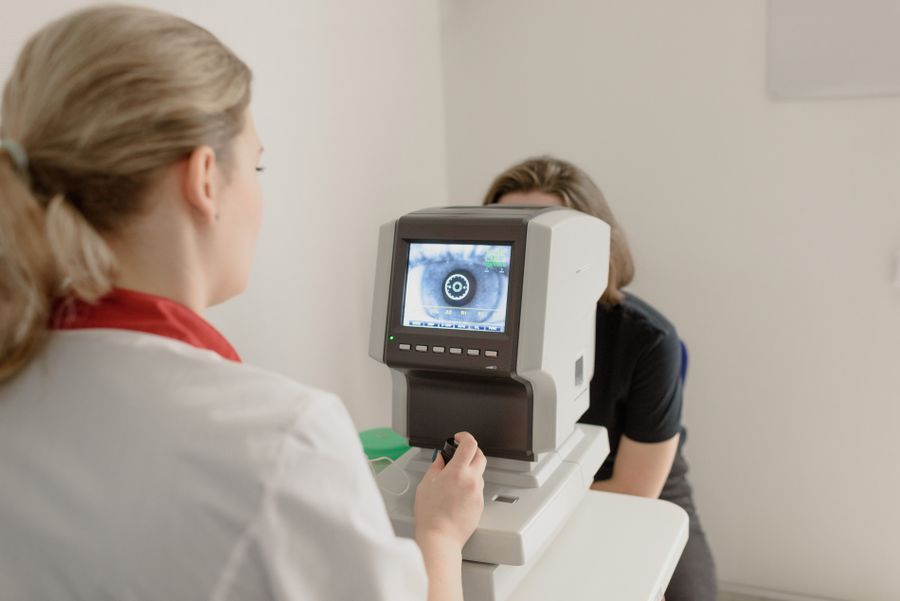
Busy optical shop counters are where most order tracking errors begin.
Photo by Pexels
5 Ways Optical Shops Lose Sales Without Proper Sales Order Tracking
Here are the five most common and financially damaging ways that poor order tracking costs optical shops real money every month.
Forgotten Orders
Paper orders get buried under new work. Without reminders, orders go unfulfilled for days.
Wrong Lenses
Handwriting errors in prescriptions lead to wrong lens specifications being sent to suppliers.
Lost Prescriptions
Paper records go missing. Without history, repeat customers must get tested again at a competitor.
Delayed Delivery
Without status tracking, no one follows up with the supplier and the customer waits indefinitely.
Inventory Mismatch
Frames sold to one customer are sometimes promised to another because stock is not updated in real time.
1. Forgotten Eyewear Orders
In a shop handling 20 or more orders a week, it is easy for one order to fall through the cracks. A customer places an order on Monday. The paper slip gets covered by other work. By Thursday, the supplier has not been contacted and the customer has not received any update. They walk in on Saturday asking for their glasses and walk out frustrated and empty-handed.
This does not just affect one sale. That customer will likely mention the experience to others and think twice before returning to your shop.
2. Wrong Lenses Ordered
A prescription with a sphere value of -2.50 gets written as -2.00 during a rushed shift. The lens arrives from the supplier, fits into the frame, and is handed to the customer. The customer puts on the glasses and cannot see properly. Now you face a full remake and an angry customer. The lens supplier does not accept returns. The entire cost falls on your shop.
3. Lost Prescription Records
A customer comes in six months after buying their first pair of glasses. They want a new frame with the same lenses. Their original prescription paper is nowhere to be found. The staff asks them to bring a new prescription. The customer feels this is unnecessary, leaves without buying, and gets their next pair made at a different optical store nearby.
4. Delayed Customer Delivery
Without a clear timeline for each order, nobody knows which orders are overdue. The supplier may have dispatched the lens two days ago, but if no one is tracking it, the lens sits in the delivery packet on the counter while the customer keeps waiting for a call that never comes.
5. Inventory and Stock Mismatches
A popular frame is shown to two different customers on the same day. One of them buys it and the frame is promised for an order. The next day, the second customer returns to confirm the purchase, only to be told the frame is no longer available. This creates mistrust and results in a lost sale that could have been easily avoided with real-time stock management.
The Hidden Financial Cost of Manual Order Management
Most optical shop owners think about the direct cost of a mistake, such as the cost of remaking one lens. But the hidden financial impact of poor order management goes much deeper.
| Problem | Direct Cost | Hidden Cost |
|---|---|---|
| Wrong lens ordered | Remake cost (Rs. 500 to Rs. 3000) | Customer churn and lost repeat revenue |
| Forgotten order | Discount offered to compensate | Negative word of mouth |
| Lost prescription record | None immediately | Customer goes to a competitor for the next purchase |
| Delayed delivery | Refund or discount | Low online reviews and damaged reputation |
| Stock mismatch | Lost sale value | Customer trust broken permanently |
An optical shop that experiences even two or three of these situations per month can be losing anywhere from Rs. 5,000 to Rs. 20,000 in direct costs, and far more in long-term customer value. This is revenue that could easily be retained with the right optical retail management system.
Staff efficiency is another major hidden cost. Every hour your staff spends searching for paper orders, calling suppliers to check on dispatches, or resolving prescription disputes is an hour not spent serving new customers or growing sales.
How Digital Sales Order Management Improves Optical Store Operations

Digital optical POS billing systems eliminate manual errors and improve order visibility for store owners.
Photo by Pexels
A digital optical billing and inventory software replaces manual order management with a structured, trackable system that keeps every order visible from entry to delivery.
Here is how a proper digital system changes day-to-day operations for an optical shop:
- Prescription stored digitally: Every customer's eye power, frame choice, and lens specification is saved against their profile. Any staff member can pull up the record instantly, even months later.
- Order status tracking: Each order moves through clearly defined stages such as order placed, sent to supplier, received in store, and ready for delivery. Nothing gets forgotten because the system shows pending orders at a glance.
- Automated reminders: Staff get reminders for orders that are overdue or pending supplier confirmation. This removes dependence on memory and reduces delays.
- Inventory updated in real time: When a frame is committed to an order, it is immediately marked as reserved in the stock. No frame gets promised to two customers at the same time.
- Accurate billing: Prescriptions, lens choices, and frame details feed directly into the billing module, reducing manual entry errors and ensuring the invoice matches what was ordered.
- Customer communication: Customers can be notified via SMS or WhatsApp when their order is ready, reducing walk-in queries and saving staff time.
The result is a shop where the owner and staff always know the status of every order, every customer, and every item in stock, without hunting through registers or calling anyone.
Manage Every Order Without Missing a Single Detail
OptiSoft Vision is built specifically for optical retail. Track orders, manage prescriptions, control inventory, and generate bills, all from one place.
Best Practices for Managing Optical Sales Orders Efficiently
Whether you are running a single branch or a chain of optical stores, these practices will help you reduce errors and improve the reliability of your order management process.
- Always enter the prescription into your software immediately when the customer is at the counter. Do not write it on paper to enter later. Later often means never.
- Assign each order a unique order number and use it in all communication with the supplier. This prevents confusion when following up on multiple orders with the same supplier.
- Review the pending orders list every morning before the shop opens. Identify orders that are overdue and take action before the customer follows up with you.
- Keep a digital record of every customer, including their prescription history, frame preferences, and past purchases. This data is invaluable for retaining customers and generating repeat business.
- Set a delivery commitment date at the time of order entry and make it visible to staff. If the order cannot be delivered by that date, inform the customer proactively rather than waiting for them to ask.
- Conduct a weekly stock reconciliation to match physical inventory against your software records. Catching discrepancies early prevents larger problems down the line.
- Use software that is designed specifically for optical retail, not a generic billing tool. Generic tools do not support prescription fields, lens specifications, or supplier order workflows in a meaningful way.

Accurate lens fitting depends on correct prescription data being available throughout the order process.
Photo by Pexels
Conclusion
Optical shops lose sales every day, not because of competition or pricing, but because of internal order management failures that go unnoticed until a customer complains or a costly remake happens.
The good news is that these problems are entirely avoidable. When every order is tracked digitally from the moment a customer walks in to the moment their glasses are ready, the number of errors drops dramatically. Staff work more efficiently. Customers receive their orders on time. Repeat business grows because customers trust that your shop delivers what it promises.
If your optical shop is still relying on paper registers and WhatsApp messages to manage orders, it is time to take a closer look at what that is costing you. A purpose-built optical shop management software is not just a convenience. It is a revenue protection tool that pays for itself through the mistakes it prevents.
Explore how OptiSoft Vision helps optical shops in India manage their complete retail operations, from prescription to delivery, on one simple platform.